


Understanding Insulin Spikes: What Triggers Them Beyond Just Carbs
- REKA

- Mar 13
- 3 min read
Insulin plays a crucial role in managing blood sugar and energy storage, fat storage.
Most people associate insulin spikes with eating carbohydrates, but the reality is more complex.
Everything we eat and drink causes some insulin response. Carbs tend to cause the largest spikes, but other factors also raise insulin levels. Understanding these triggers can help manage weight and overall health, especially for those following a carnivore diet or other low-carb approaches.

How Food Triggers Insulin Release
When we eat, our body releases insulin to help move glucose from the bloodstream into cells for energy or storage. Carbohydrates break down into glucose quickly, causing a sharp rise in blood sugar and a strong insulin response. This is why carbs are often seen as the main cause of insulin spikes.
However, all foods cause some insulin release. Protein stimulates insulin too, though usually less than carbs. Fat causes the smallest insulin response.
Even water and non-caloric drinks can trigger a small insulin release through cephalic phase insulin secretion, which happens when the brain anticipates food.
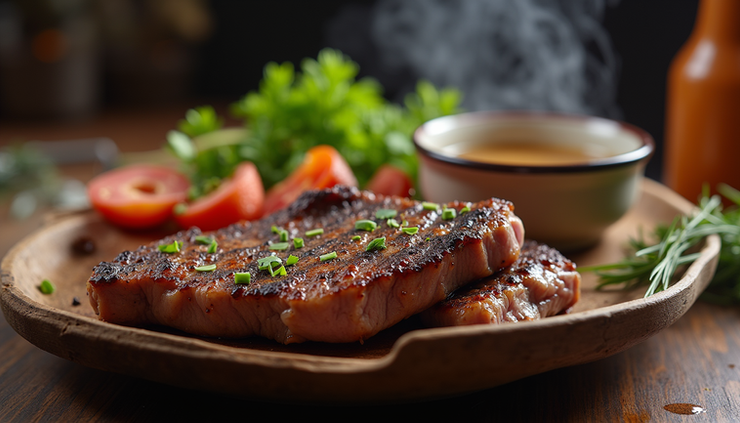
For example, a carnivore diet, which is high in protein and fat but very low in carbs, still causes insulin to rise but generally in a more controlled way. This can help stabilize blood sugar and reduce large insulin spikes.
Other Causes of Insulin Spikes
High Blood Sugar Levels
High blood sugar is a direct trigger for insulin release. When blood glucose rises, the pancreas produces insulin to lower it. This happens after eating carbs but also when the body cannot use insulin effectively, as in insulin resistance or type 2 diabetes.
Exercise and Insulin
Exercise affects insulin in complex ways. During physical activity, muscles use glucose for energy, which can lower blood sugar and insulin levels. However, intense or prolonged exercise can temporarily raise cortisol, a stress hormone that increases insulin resistance and insulin secretion afterward.
Constant Eating and Snacking
Eating frequently or snacking throughout the day keeps insulin levels elevated. This constant insulin presence prevent fat burning and promote fat storage, contributing to weight gain. The body needs periods of low insulin to access stored fat for energy.
For example of all day eating:
Breakfast
Mid-morning snack (cup of tea with biscuit)
Lunch
Afternoon snack (crisps, chocolate bars...)
Dinner
Evening snacks (more crisps, crunchy snacks etc...)
This pattern can keep insulin elevated almost all day long.
Many people following low-carb or carnivore diets naturally move toward two meals per day, allowing insulin to fall between meals.
Cortisol and Stress
Cortisol, released during stress, raises blood sugar by stimulating glucose production in the liver. This increase in blood sugar triggers insulin release.
When the body experiences stress, cortisol may increase blood sugar levels to provide quick energy for a “fight or flight” response.
Chronic stress and high cortisol levels can lead to frequent insulin spikes, insulin resistance, and weight gain, especially around the abdomen, belly fat.
Poor Sleep
Lack of quality sleep disrupts hormones that regulate hunger and insulin sensitivity.
Poor sleep raises cortisol and reduces insulin sensitivity, causing higher insulin levels after meals. This increase carbs cravings and fatigue, causing you to gain more weight.
Lack of sleep has been linked to:
Increased insulin resistance
Higher hunger hormones
Greater cravings for carbohydrates
fatigue
metabolic health issues
weight gain
Prioritise sleep for better metabolic health!
Consequences of Frequent Insulin Spikes
Repeated insulin spikes can lead to insulin resistance, where cells stop responding well to insulin. This forces the pancreas to produce more insulin, creating a cycle that can lead to type 2 diabetes.
High insulin levels also promote fat storage, especially in the belly area, making weight loss impossible!!!!!!!!
For people on a carnivore diet, managing insulin is often easier because the diet minimizes carbs and processed foods that cause large spikes. However, factors like stress, poor sleep, and constant eating can still raise insulin and affect health.
Practical Tips to Manage Insulin Levels
Limit carbohydrate intake especially refined carbs and sugars to reduce large insulin spikes.
Focus on protein and fat as in a carnivore diet, which causes smaller insulin responses.
Avoid constant snacking and allow time between meals to lower insulin and promote fat burning.
Manage stress through relaxation techniques, meditation, or exercise to reduce cortisol and insulin spikes.
Prioritize sleep by maintaining a regular schedule and creating a restful environment.
Exercise regularly but balance intensity to avoid excessive cortisol release.



Comments