


Melatonin- Sleep Hormone

Melatonin is a hormone that plays a crucial role in regulating our sleep-wake cycle. Many people turn to melatonin supplements to improve sleep quality or adjust their internal clocks. This post explores what melatonin is, how it works, its benefits, and its connection to diet, including the carnivore diet.

What Is Melatonin and How Does It Work?
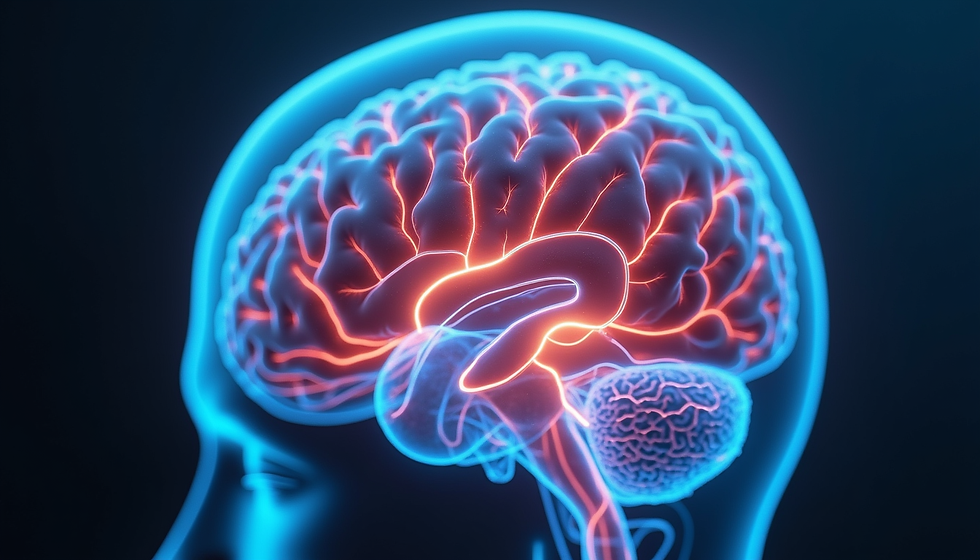
Melatonin is produced naturally by the pineal gland in the brain.
Its production increases when it gets dark, signalling the body that it’s time to prepare for sleep. This hormone helps regulate the circadian rhythm, which is the internal clock that tells us when to feel awake and when to feel sleepy.
When melatonin levels rise in the evening, body temperature drops, and feelings of drowsiness increase. This process helps people fall asleep more easily and maintain restful sleep throughout the night. In the morning, exposure to light suppresses melatonin production, helping us wake up and feel alert.
Benefits of Melatonin Supplements
Melatonin doesn’t “knock you out”—it signals your body that it’s time to rest.
People often use melatonin supplements to address sleep problems. Here are some common reasons and benefits:
Jet lag: Melatonin can help reset the internal clock when traveling across time zones.
Shift work: Those who work night shifts or irregular hours may find melatonin useful to adjust their sleep schedule.
Insomnia: Some people with difficulty falling asleep benefit from melatonin supplements.
Delayed sleep phase syndrome: Melatonin can help shift sleep times earlier for those who naturally fall asleep late.
Research shows melatonin is generally safe for short-term use. However, it’s best to consult a healthcare provider before starting supplements, especially for children, pregnant women, or people with health conditions.
Magnesium → Serotonin → Melatonin:
The Sleep Pathway Explained
If you want to understand sleep properly, this is one of the most important chains in the body: Magnesium helps → serotonin → which becomes melatonin

Step 1: Serotonin (The Middle Step)
Before melatonin, your body must make serotonin.
How it starts:
Protein (tryptophan from food) → converted into serotonin
This mainly happens during the day
Serotonin is:
A mood stabilizer
A precursor (building block) for melatonin
Step 2: Magnesium’s Role
Magnesium is a key helper (cofactor) in this process.
What magnesium does:
Helps convert tryptophan → serotonin
Supports the nervous system (calming effect)
Reduces stress and overactivity
Without enough magnesium:
Less serotonin is made
Which means less melatonin later
Step 3: Melatonin (Night Hormone)
At night Serotonin → converted into melatonin
This only happens when:
It’s dark
Cortisol is low
Melatonin then:
Signals sleep
Helps you fall and stay asleep
What Happens If Something Is Missing?
Low Magnesium:
Poor relaxation
Trouble falling asleep
Night waking
Low Serotonin:
Low mood
Anxiety
Poor sleep quality
Low Melatonin:
Insomnia
Light, broken sleep
Fatigue
Melatonin and Diet: The Carnivore Perspective
Diet can influence melatonin production, and some diets may affect sleep quality. The carnivore diet, which consists mainly of animal products like meat, fish, and eggs, is one such diet that has sparked interest regarding its impact on sleep and melatonin.
How Diet Affects Melatonin
Certain foods contain melatonin or help the body produce it. For example:
Foods rich in tryptophan, an amino acid, support melatonin synthesis. Tryptophan is found in turkey, chicken, eggs, and dairy.
Some fruits and vegetables, like cherries and bananas, contain small amounts of melatonin.
Carbohydrates can help increase the availability of tryptophan in the brain, indirectly supporting melatonin production.
Carnivore Diet and Melatonin
The carnivore diet excludes plant-based foods, which means it lacks dietary sources of melatonin from fruits and vegetables. However, animal products provide tryptophan, which is essential for melatonin production. For example:
Beef, chicken, and fish are good sources of tryptophan.
Eggs also contain tryptophan and other nutrients that support overall health.
Some people on the carnivore diet report improved sleep, possibly due to stable blood sugar levels and reduced inflammation. However, the lack of plant-based melatonin sources might affect some individuals differently.
If you follow a carnivore diet and experience sleep issues, consider:
Timing your meals to support natural melatonin rhythms (eating earlier in the evening).
Discussing melatonin supplements with a healthcare provider if needed.

Tips to Support Natural Melatonin Production
Besides diet, several lifestyle habits can help boost natural melatonin levels:
Limit exposure to blue light from screens at least an hour before bedtime.
Keep a consistent sleep schedule by going to bed and waking up at the same time daily.
Create a dark sleep environment using blackout curtains or eye masks.
Avoid caffeine and heavy meals close to bedtime.
Get natural sunlight exposure during the day to regulate your internal clock.
Manage Stress (Cortisol)
High cortisol can block melatonin
These habits help your body produce melatonin naturally and improve sleep quality.



Comments