


Testosterone Hormone

Testosterone plays a crucial role in the human body, influencing many aspects of health and well-being. Understanding what testosterone is, how and where it is produced, and its effects can help you recognize the importance of maintaining balanced hormone levels. This post also explores how diets like carnivore and keto may impact testosterone.

What Is Testosterone and Where Is It Made
Testosterone is a steroid hormone primarily known as the main male sex hormone, but it is also present in females in smaller amounts, it’s important for both men and women. It belongs to a group called androgens, which are responsible for developing male characteristics.
In males, testosterone is mainly produced in the testes by specialized cells called Leydig cells. The adrenal glands, located above the kidneys, also produce small amounts of testosterone in both men and women. In females, the ovaries and adrenal glands contribute to testosterone production.
The production of testosterone is controlled by the brain through the hypothalamus and pituitary gland. These organs release signals that regulate hormone levels to keep them within a healthy range.
Like all steroid hormones Testosterone is made from cholesterol
That means:
🥩 Diets with adequate animal fats provide raw materials
🧬 Your body converts cholesterol → testosterone through several steps
This is why extremely low-fat diets impact hormone production!
What Testosterone Does in the Body
Testosterone influences many physical and mental functions, including:
Development of male reproductive tissues such as the testes and prostate
Growth of muscle mass and strength: Increases muscle mass
Improves recovery and performance
Bone density maintenance : Keeps bones dense and strong
Regulation of fat distribution: Helps your body use fat as fuel, Supports lean body composition
Production of red blood cells
Influence on mood and energy levels :Affects motivation, confidence, and mood
Development of secondary sexual characteristics like facial hair and a deeper voice
In women, testosterone supports bone strength, muscle mass, and libido, though at lower levels than in men.
Effects of Low Testosterone
Low testosterone, or hypogonadism, can cause various symptoms that affect quality of life. Common signs include:
Reduced muscle mass and strength
Increased body fat, especially around the abdomen
Fatigue and low energy
Decreased libido and sexual dysfunction
Mood changes such as depression or irritability
Reduced bone density, increasing fracture risk
Low testosterone can result from aging, medical conditions, injury to the testes, or hormonal imbalances. It is important to consult a healthcare provider for proper diagnosis and treatment options.
Effects of High Testosterone
Excess testosterone can also cause health issues. In men, high testosterone levels may lead to:
Aggressive behaviour and mood swings
Acne and oily skin
Sleep apnea
Enlarged prostate
Hair loss
Increased risk of heart disease
In women, high testosterone can cause symptoms like:
Excess facial and body hair (hirsutism)
Deepening of the voice
Irregular menstrual cycles
Male-pattern baldness
High testosterone levels may result from certain medical conditions or steroid use. Monitoring hormone levels is essential to avoid complications.

How Carnivore and Keto Diets Affect Testosterone
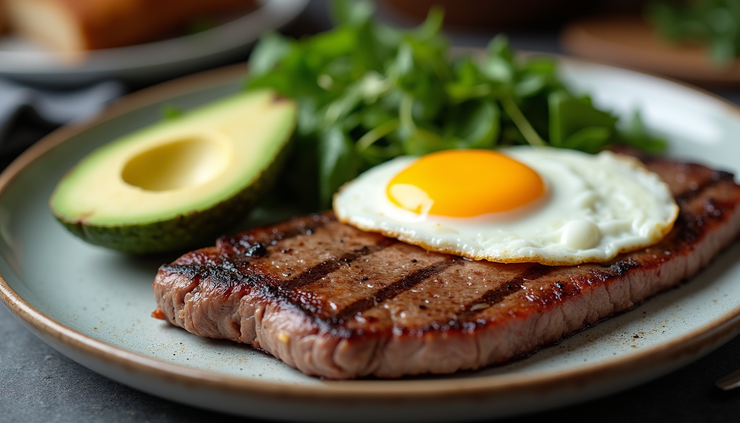
A well-structured carnivore or keto diet can support healthy testosterone by:
Providing cholesterol and healthy fats
Stabilizing blood sugar and insulin
Supporting body composition
But balance still matters:
Eat enough calories
Don’t neglect micronutrients
Manage stress and sleep
Diet plays a significant role in hormone balance, including testosterone. Both carnivore and ketogenic (keto) diets focus on low carbohydrate intake but differ in food variety.
Maintaining Healthy Testosterone Levels
To support healthy testosterone levels, consider these practical tips:
Eat a balanced diet rich in healthy fats, proteins, and essential nutrients
Exercise regularly, especially strength training and high-intensity interval training
Get enough sleep to allow hormone recovery
Manage stress through relaxation techniques or mindfulness
Avoid excessive alcohol and smoking
Maintain a healthy weight to reduce fat-related hormone imbalances
Final Thoughts: Balance Is Everything
Testosterone isn’t about having the most—it’s about having the right amount.
👉 Too little → low energy, weakness, poor health
👉 Too much → imbalance, side effects, long-term issues
Optimal testosterone = strength, energy, and stability



Comments