


Histamine Overload on a Carnivore Diet and Effective Solutions
- REKA

- Mar 26
- 3 min read
Starting a carnivore diet can bring many benefits, but some people experience unexpected symptoms like headaches, flushing, or digestive issues. These signs may point to histamine overload, a condition often misunderstood as a simple intolerance. This post explains what histamine is, why overload happens on a carnivore diet, and practical steps to manage it effectively.

What Is Histamine and What Does It Do?
Histamine is a natural chemical found in the body and many foods. It plays a key role in the immune system, helping the body respond to allergens and injury. When released, histamine causes blood vessels to expand and triggers inflammation, which helps fight off threats.
In the digestive system, histamine helps regulate stomach acid and supports digestion. It also acts as a neurotransmitter in the brain, influencing sleep and mood. Normally, the body balances histamine production and breakdown to keep levels stable.
Where Does Histamine Come From?
Histamine is present in many foods, especially those that are aged, fermented, or processed. Examples include:
Aged cheeses
Fermented foods like sauerkraut and soy sauce
Cured meats such as salami and ham
Alcoholic beverages, especially red wine and beer
On a carnivore diet, histamine mainly comes from animal products, especially if they are aged, smoked, or not fresh. Organ meats and certain fish like tuna and mackerel also contain higher histamine levels.
It is Histamine Overload Not Intolerance
Many confuse histamine overload with histamine intolerance, but they are different. Histamine intolerance happens when the body cannot break down histamine properly, often due to enzyme deficiencies like low diamine oxidase (DAO).
Histamine overload, on the other hand, occurs when the body is exposed to more histamine than it can handle, even if enzyme function is normal. This can happen if you consume large amounts of histamine-rich foods or if your body releases too much histamine internally due to stress or inflammation.
Why Does Histamine Overload Happen on a Carnivore Diet?
The carnivore diet focuses on animal products, which can sometimes lead to histamine overload for several reasons:
Food freshness: Meat that is not very fresh or stored improperly can develop higher histamine levels.
Limited variety: Eating the same types of meat repeatedly, especially organ meats or aged cuts, can increase histamine intake.
Gut health changes: The carnivore diet changes gut bacteria, which may affect histamine production and breakdown.
Stress and inflammation: Physical stress from diet changes or underlying inflammation can cause the body to release more histamine.
People new to the carnivore diet might notice symptoms like headaches, flushing, nasal congestion, or digestive upset. These signs suggest the body is struggling with histamine overload.
What to Do When Your Body Is Overloaded with Histamine
If you suspect histamine overload, here are practical steps to take:
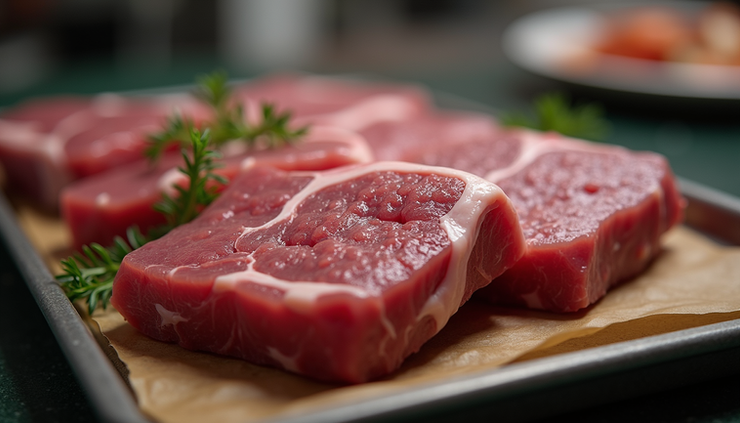
Eat only fresh meat: Choose freshly butchered meat and avoid leftovers that have been stored for more than a day.
Avoid aged or processed meats: Skip smoked, cured, or fermented animal products.
Limit high-histamine organ meats: Reduce intake of liver, kidney, and other organ meats temporarily.
Support gut health: Include bone broth and collagen-rich cuts to help heal the gut lining.
Manage stress: Practice relaxation techniques like deep breathing or meditation to reduce histamine release.
Stay hydrated: Drinking enough water helps flush excess histamine from the body.
Consider supplements carefully: Some people find relief with vitamin C or quercetin, which may help stabilize mast cells that release histamine. Always consult a healthcare provider before starting supplements.
Long-Term Solutions and Adjustments
Once symptoms improve, you can experiment with reintroducing some foods slowly to identify triggers. Keeping a food diary helps track reactions and adjust the diet accordingly.
If histamine overload persists, consider these options:
Rotate meat types: Vary your protein sources to avoid build up of histamine from one type.
Improve digestion: Digestive enzymes or probiotics may help balance gut bacteria and histamine breakdown.
Check for underlying conditions: Allergies, infections, or gut imbalances can increase histamine release. A healthcare professional can help diagnose these.
Remember, histamine overload is manageable with the right approach. It does not mean the carnivore diet is unsuitable, but it requires attention to food quality and body signals.




Comments