


Estrogen:

Estrogen plays a crucial role in the human body, influencing many functions beyond reproductive health. Despite its importance, many people have only a basic understanding of what estrogen is, where it is produced, and how it affects the body. This post explores estrogen in detail, explaining its types, production sites, and key functions. Whether you are curious about hormones or interested in how diet, such as a carnivore approach, might impact hormone balance, this guide offers clear and practical insights.
What Is Estrogen?
Estrogen is a group of hormones that primarily regulate the development and maintenance of female reproductive tissues and secondary sexual characteristics. It is often called the "female hormone," but it is present in all genders, playing essential roles in both men and women.
Estrogen belongs to a class of hormones called steroids.
These hormones are fat-soluble and can pass through cell membranes to influence gene expression and cell function.
Estrogen impacts many systems in the body, including the reproductive system, bones, cardiovascular system, and brain.
Estrogen isn’t just about reproduction—it’s a full-body regulator.
Where Does the Body Make Estrogen?
The body produces estrogen mainly in the following areas:
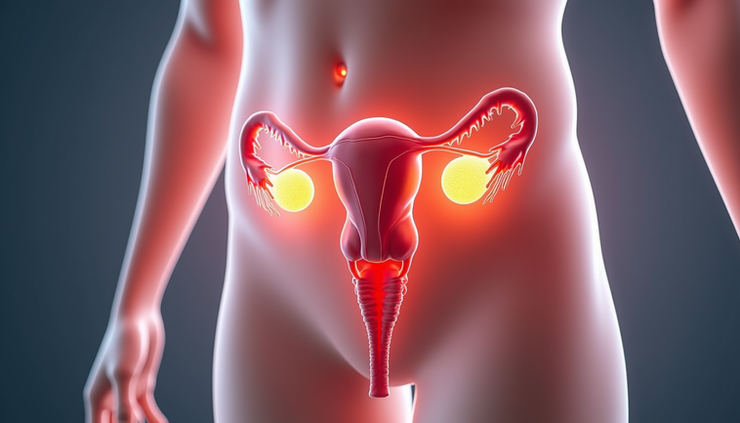
Ovaries: In females, the ovaries are the primary source of estrogen, especially during the reproductive years. They produce estrogen in response to signals from the brain.
Adrenal glands: Both men and women produce small amounts of estrogen in the adrenal glands, located above the kidneys.
Fat tissue: Fat cells can convert other hormones into estrogen, which is why body fat levels can influence estrogen levels.
Placenta: During pregnancy, the placenta produces large amounts of estrogen to support fetal development.
Testes: In men, the testes produce small amounts of estrogen, which helps regulate libido, erectile function, and sperm production.
Understanding these production sites helps explain why estrogen levels fluctuate during different life stages, such as puberty, pregnancy, and menopause.
Types of Estrogen
There are three main types of estrogen in the human body, each with distinct roles:
Estradiol (E2)
This is the most common and potent form of estrogen in women during their reproductive years. Estradiol regulates the menstrual cycle, supports pregnancy, and maintains bone density.
Estrone (E1)
Estrone is the primary estrogen after menopause. It is weaker than estradiol and is mainly produced in fat tissue.
Estriol (E3)
Estriol is the weakest form and is mostly produced during pregnancy by the placenta. It plays a role in preparing the body for childbirth.
Each type of estrogen has unique effects, but they all contribute to maintaining hormonal balance and overall health.
What Does Estrogen Do?
Estrogen influences many bodily functions beyond reproduction. Here are some of its key roles:
Reproductive health
Estrogen regulates the menstrual cycle, controls the growth of the uterine lining, and supports pregnancy. It also affects vaginal health and fertility.
Bone health
Estrogen helps maintain bone density by balancing bone formation and breakdown. Low estrogen levels can lead to osteoporosis, especially after menopause.
Cardiovascular system
Estrogen has protective effects on the heart and blood vessels. It helps maintain healthy cholesterol levels and supports blood vessel flexibility.
Brain function
Estrogen influences mood, memory, and cognitive function. It interacts with neurotransmitters and supports brain cell growth.
Skin and hair
Estrogen promotes skin thickness, elasticity, and hydration. It also affects hair growth and texture.
Because estrogen affects so many systems, imbalances can cause a wide range of symptoms, from mood swings and hot flashes to bone loss and cardiovascular risks.
How Diet, Including a Carnivore Approach, May Affect Estrogen
Diet plays a role in hormone balance, including estrogen levels. The carnivore diet, which consists mainly of animal products and excludes most plant-based foods, can influence estrogen in several ways:
Fat intake
Animal fats provide cholesterol, the building block for steroid hormones like estrogen. Adequate fat intake supports hormone production.
Protein and amino acids
High-quality protein from animal sources supplies amino acids necessary for hormone synthesis and overall health.
Lack of plant estrogens
Plant-based foods contain phytoestrogens, which are plant compounds that can mimic or influence estrogen activity. The carnivore diet excludes these, which may affect estrogen metabolism differently than diets rich in plants.
Impact on body fat
Since fat tissue produces estrogen, changes in body fat from diet can alter estrogen levels. Weight loss or gain on a carnivore diet might influence this balance.
Summary:
On a carnivore or keto diet, estrogen balance is influenced by:
Fat intake → supports hormone production
Body fat levels → affects how much estrogen is produced
Insulin levels → impacts hormone regulation
👉 Many people find:
More stable energy
Improved hormonal balance
Reduced symptoms of imbalance
But again—balance is key.
⚖️ Final Thoughts
Estrogen is not something to fear—it’s something to understand and balance.
👉 It supports:
Reproduction
Brain function
Bone strength
Overall health
And like your other hormones:
👉 It all starts with cholesterol



Comments