


Dopamine and Sugar Cravings

Updated: May 28
Cravings for sugar and other tempting foods often feel like a battle we cannot win.
You might wonder why you want more than you should, even when you know it’s not good for you. The answer lies deep in your brain chemistry, particularly involving a chemical called dopamine. Understanding how dopamine influences cravings can help you take control of your eating habits and make healthier choices.

What is dopamine and why does it matter?
Dopamine is a neurotransmitter, a chemical messenger in the brain that plays a key role in how we experience pleasure and motivation.
When you do something enjoyable, like eating your favourite food, dopamine is released. This release creates a feeling of reward, encouraging you to repeat the behaviour.
This system evolved to help humans seek out essential resources like food and social connection.
But in today’s world, where sugary and high-fat foods are abundant, dopamine can drive cravings that lead to overeating.
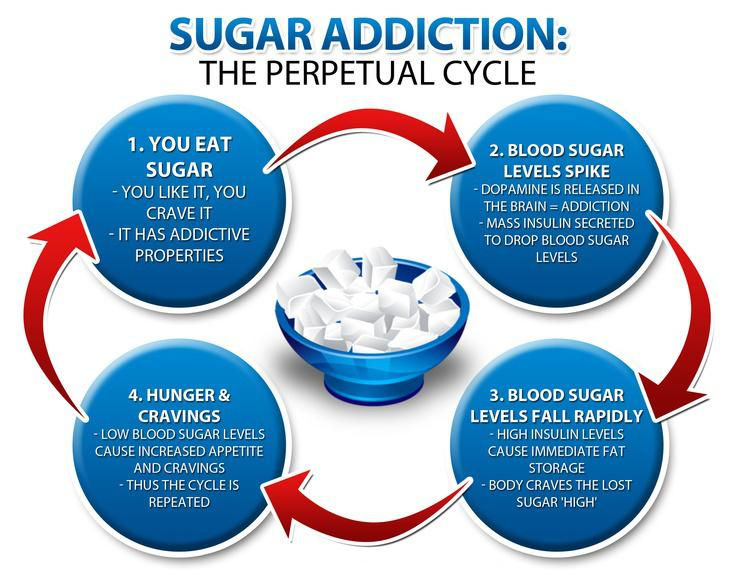
How dopamine drives cravings for sugar?
Sugar is one of the most potent triggers for dopamine release.
When you eat sugary foods, dopamine floods the brain’s reward centres, creating a strong feeling of pleasure. This makes you want to eat more sugar to get the same rewarding, good feeling again.
Dopamine doesn’t just reward you—it drives you to repeat behaviours.
Over time, repeated sugar consumption can change how your brain responds to dopamine. You might need more sugar to achieve the same pleasure, a process similar to addiction. This cycle makes it hard to resist cravings and can lead to overconsumption.
The role of dopamine receptors
Dopamine works by binding to receptors in the brain.
If you consume a lot of sugar regularly, your brain may reduce the number of dopamine receptors or make them less sensitive. This means you get less pleasure from the same amount of sugar, pushing you to eat even more to feel satisfied.
Other factors that influence cravings
While dopamine plays a central role, other factors also affect cravings:
Stress:
Stress increases dopamine release, which can lead to emotional eating and cravings for comfort foods.
Sleep deprivation:
Lack of sleep disrupts dopamine regulation, making sugary foods more appealing.
Habit and environment:
Seeing or smelling sugary foods can trigger dopamine release and cravings, even if you’re not hungry.
Understanding these factors can help you identify triggers and develop strategies to manage cravings.

Practical ways to manage dopamine-driven cravings
You don’t have to give in to cravings every time. Here are some effective strategies to manage dopamine-driven urges:
Eat balanced meals: Include protein, and healthy fats to keep blood sugar stable and reduce cravings.
Get enough sleep: Aim for 7-9 hours per night to support dopamine balance.
Manage stress: Practice relaxation techniques like meditation or deep breathing to lower stress-induced cravings.
Limit exposure: Keep sugary foods out of sight and avoid places that trigger cravings.
Find alternative rewards: Engage in activities that release dopamine naturally, such as exercise, hobbies, or socializing.
The importance of mindful eating
Mindful eating means paying full attention to the experience of eating. This practice helps you recognize true hunger versus dopamine-driven cravings. When you eat mindfully, you savour each bite, which can reduce the need for excessive sugar to feel satisfied.
Try these tips for mindful eating:
Eat slowly and without distractions.
Notice the taste, texture, and aroma of your food.
Check in with your hunger and fullness levels regularly.

Final thoughts on dopamine and cravings
Dopamine plays a powerful role in why you want sugar and other tempting foods more than you should. It creates a cycle of reward and craving that can be hard to break. By understanding this connection, you can take steps to manage cravings through balanced eating, stress management, and mindful habits.



Comments